
Get the wind result for the site
Use the wind class or design pressures from the report for your site and building. A postcode does not supply that result. Nearby houses may have different exposure, land shape or building details. Check the report before the frame is ordered.
What goes into the assessment?
The National Emergency Management Agency resource identifies four inputs to the AS 4055 process:
| Input | What it describes |
|---|---|
| Wind region | The regional wind setting |
| Terrain category | The roughness of the land around the site |
| Topographic class | The effect of hills, ridges or slopes |
| Shielding | The effect of surrounding buildings |
These inputs need a site check. Do not guess them from a street address. The building must also fit the scope of the method used.
Keep the method with the result
AS 4055 is a wind-load standard for housing with scope limits. AS/NZS 1170.2 is another wind design reference. WoodSolutions Guide 40, sections 2.2 and 4, explains the distinction. That guide dates from 2016; use the standard edition required for the job.
A report may give a house wind class or specific design pressures. Do not invent a conversion between them. Give the full report to the frame and component suppliers so they can use the stated design basis.
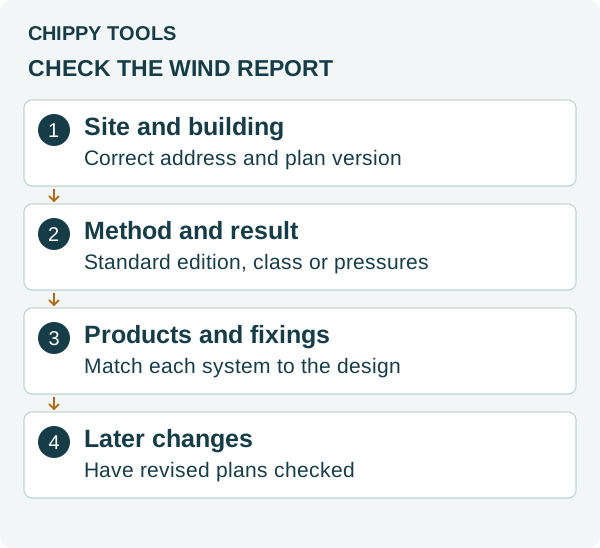
Chippy Tools report checklist. See NEMA for the inputs. See WoodSolutions Guide 40 for the design context. No wind class is assigned here.
Check more than the timber size
Wind loads affect the roof covering, fixings, joints, bracing and tie-downs. Doors and windows also need suitable ratings and details. Treat these as a connected design. A larger beam cannot make up for an unverified connection.
Check the following before placing the order:
- The report names the correct site and building.
- Its plan version matches the frame plans.
- The method, edition and result are recorded.
- Product limits and fixing details match that design basis.
- Any later changes have been checked.
A mismatch worth catching
Suppose a supplier quote names a wind class, but the plans have no matching report. Ask where the class came from. Do not accept a neighbouring job or the suburb name as proof. Get the missing assessment resolved before the quote becomes an order.
Changes to roof shape, openings or shelter can also matter. Send changed plans to the designer and ask whether the report still applies. Keep the response with the Chippy Tools code-check sheet.
Once the wind design is settled, carry it into the AS 1684 input check. For Queensland roofs, read the tie-down guide alongside the plans.
Sources
- NEMA: wind classification assessment inputs
- WoodSolutions Guide 40 (2016), sections 2.2 and 4: wind design methods
Publisher links identify the standards. This review did not inspect or reproduce their licensed span tables.
Related building rules
More Australia rules